
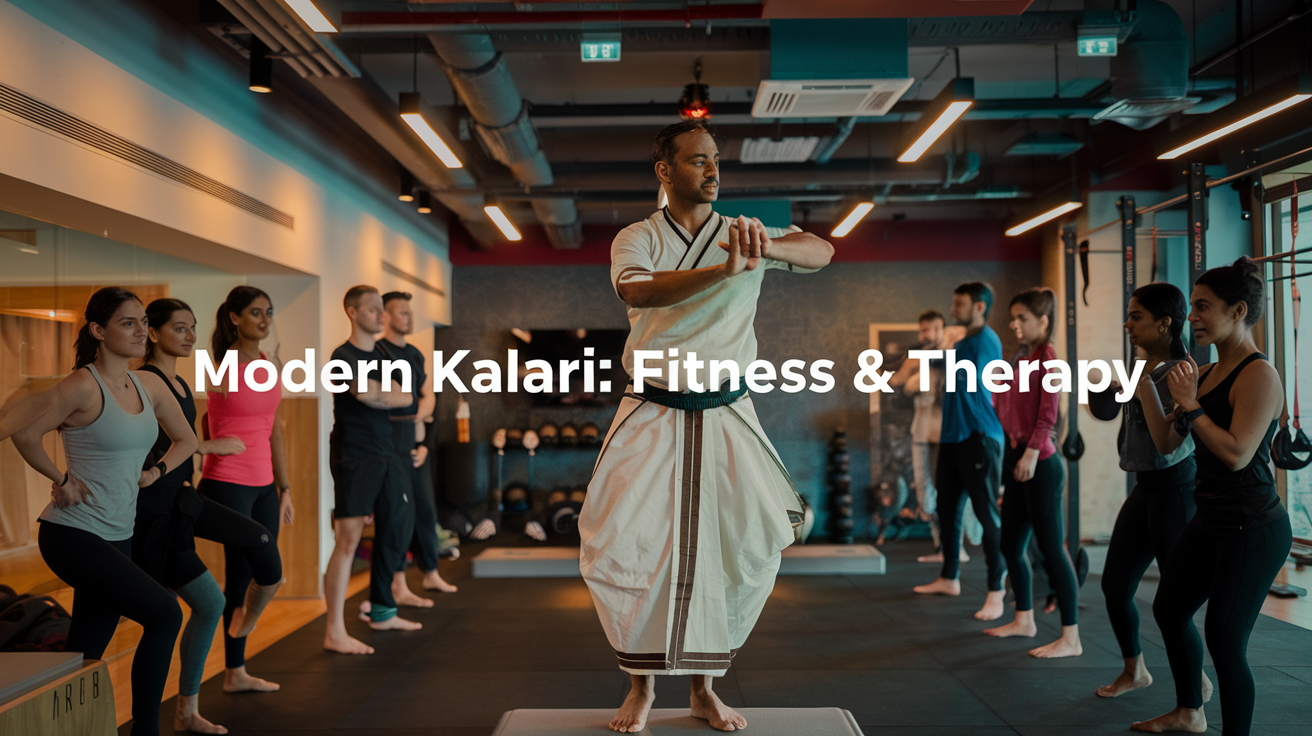
Imagine a 5000-year-old secret that could revolutionize your fitness routine, boost your mental health, and even save your life. 🤯 Sounds too good to be true? Welcome to the world of Kalari – an ancient martial art that’s making waves in modern wellness circles.
In a world obsessed with quick fixes and instant results, Kalari stands out as a holistic approach to health and self-defense. But here’s the kicker: it’s not just for warriors anymore. From bustling gyms to serene therapy rooms, Kalari is finding new homes and transforming lives in ways its ancient practitioners could never have imagined.
Curious about how an age-old combat technique could fit into your 21st-century lifestyle? Buckle up as we explore the fascinating journey of Kalari from battlefields to fitness studios, and discover why it might just be the missing piece in your wellness puzzle. Let’s dive into the modern applications of Kalari, from fitness to therapy and beyond.
Understanding Kalari: Ancient Martial Art to Modern Practice
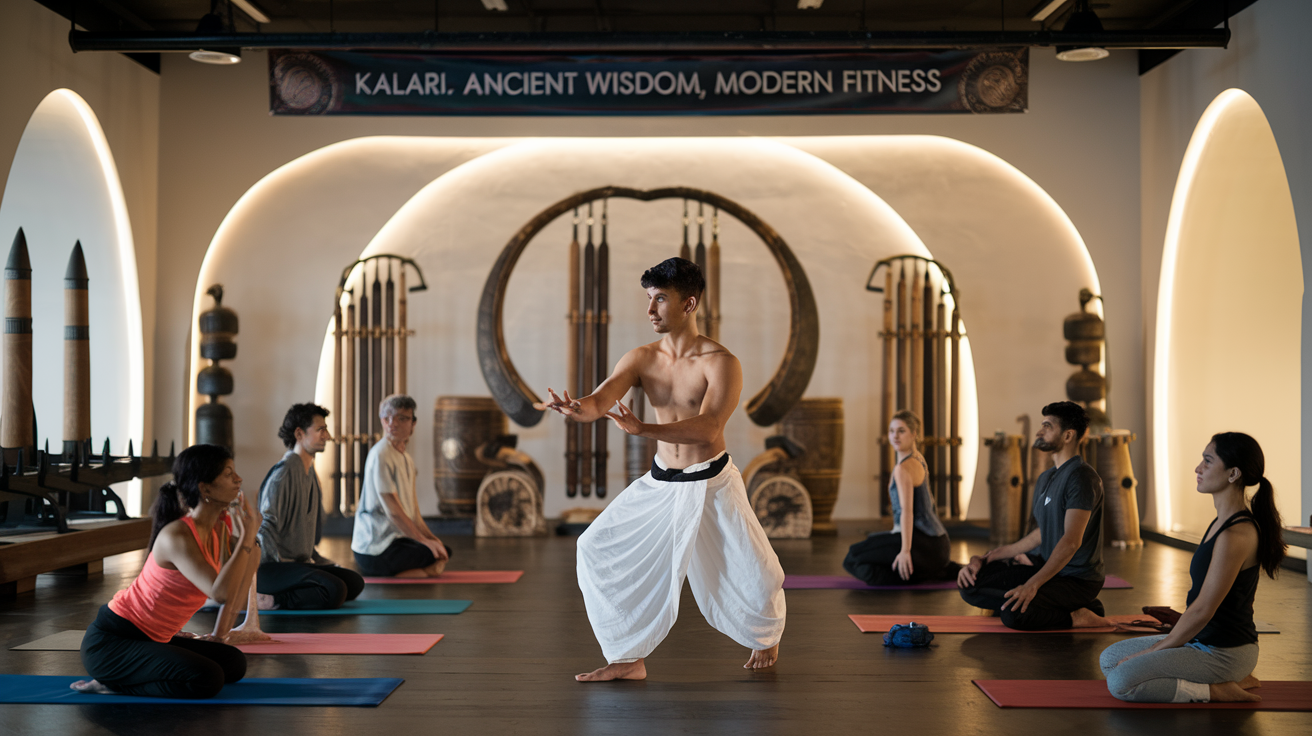
Brief history and origins of Kalari
Kalaripayattu, often referred to simply as Kalari, is an ancient martial art that originated in the southern Indian state of Kerala. Dating back over 3,000 years, it is considered one of the oldest fighting systems in existence. Kalari’s roots can be traced to the Dravidian traditions and the teachings of warrior saints known as the Parasurama.
| Period | Key Development |
|---|---|
| Ancient | Originated in Kerala |
| Medieval | Refined by warrior communities |
| Colonial | Practice restricted by British |
| Modern | Revival and global recognition |
Core principles and techniques
Kalari is built upon a foundation of physical and mental discipline, emphasizing:
-
- Balance and flexibility
-
- Precise movements and strikes
-
- Breath control and energy manipulation
-
- Weapon mastery
The training regimen includes:
-
- Meipayattu (body exercises)
-
- Kolthari (wooden weapons practice)
-
- Ankathari (metal weapons training)
-
- Verumkai (empty-hand techniques)
Evolution into contemporary applications
In recent decades, Kalari has transcended its traditional martial context to find applications in various modern fields:
-
- Fitness and physical conditioning
-
- Therapeutic practices for injury rehabilitation
-
- Stress management and mental well-being
-
- Performance arts and choreography
This evolution has allowed Kalari to remain relevant and accessible to a wider audience, preserving its essence while adapting to contemporary needs. As we explore further, we’ll see how Kalari has become a comprehensive fitness regimen, offering unique benefits to practitioners around the world.
Kalari as a Comprehensive Fitness Regimen
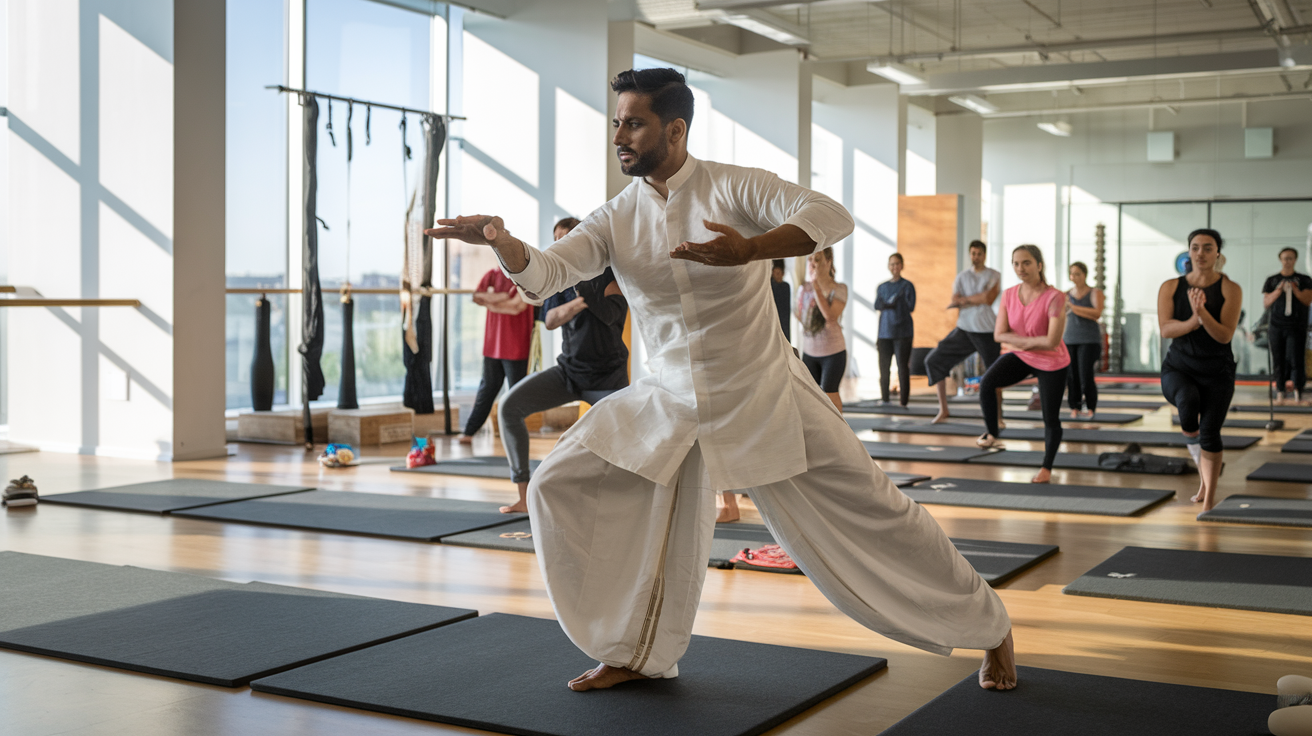
Full-body workout benefits
Kalari, as a comprehensive fitness regimen, offers exceptional full-body workout benefits. This ancient martial art engages multiple muscle groups simultaneously, providing a holistic approach to physical fitness. Here’s a breakdown of the key benefits:
| Benefit | Description |
|---|---|
| Muscular Strength | Develops strength in core, legs, arms, and back |
| Cardiovascular Health | Improves heart health through intense movements |
| Metabolic Boost | Increases metabolism, aiding in weight management |
| Joint Mobility | Enhances range of motion in all major joints |
Improving flexibility and balance
Kalari’s fluid movements and precise stances significantly contribute to improved flexibility and balance. Practitioners develop:
-
- Enhanced proprioception
-
- Increased joint mobility
-
- Better posture and alignment
-
- Improved coordination
These improvements not only benefit physical performance but also reduce the risk of injuries in daily life.
Enhancing strength and endurance
The dynamic nature of Kalari training builds both strength and endurance. Regular practice leads to:
-
- Increased muscular endurance
-
- Improved cardiovascular stamina
-
- Enhanced functional strength
-
- Better overall physical resilience
Mental fitness and concentration
Beyond physical benefits, Kalari is a powerful tool for mental fitness. The practice demands:
-
- Intense focus and concentration
-
- Mindfulness and present-moment awareness
-
- Stress reduction through controlled breathing
-
- Improved mental clarity and decision-making skills
These mental aspects of Kalari training complement the physical benefits, creating a truly comprehensive fitness experience. As we explore further, we’ll see how these benefits extend beyond fitness into therapeutic applications.
Therapeutic Applications of Kalari
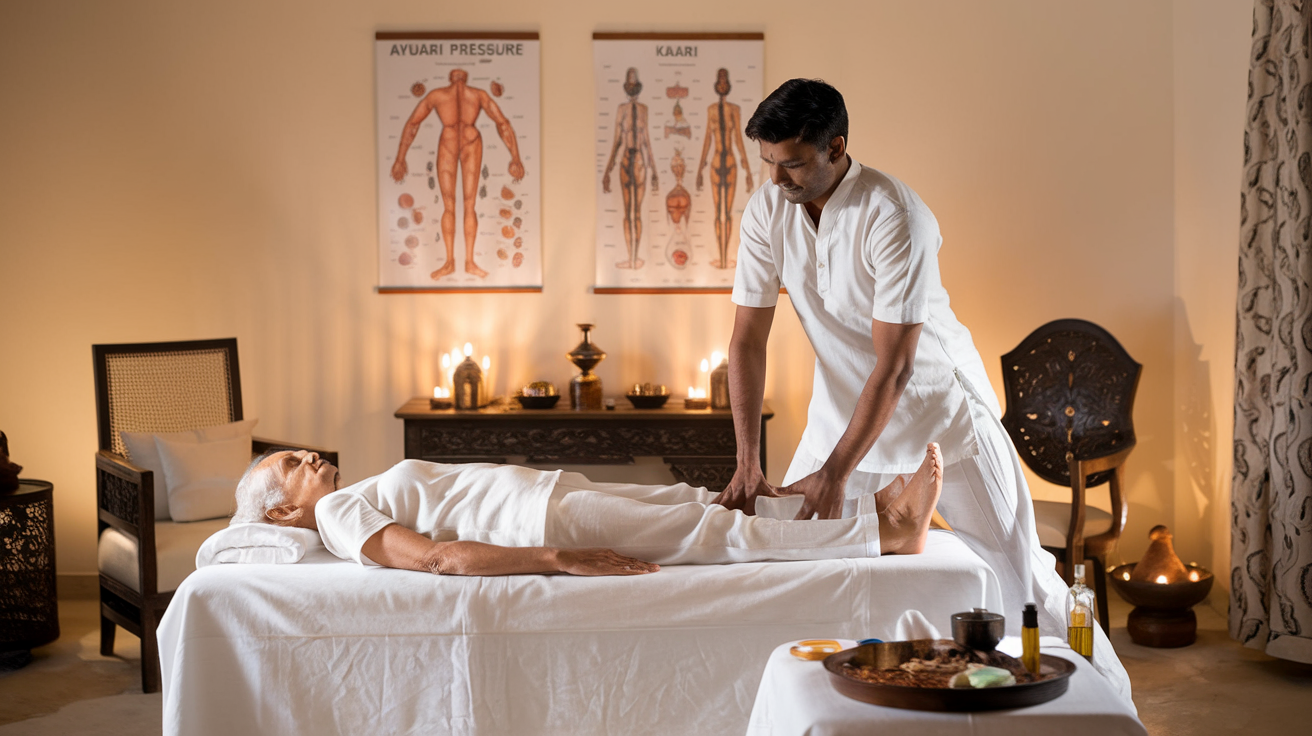
Stress reduction and relaxation techniques
Kalari offers powerful stress reduction and relaxation techniques that can be easily integrated into modern life. The mindful movements and controlled breathing exercises inherent in Kalari practice help activate the parasympathetic nervous system, promoting a state of calm and relaxation.
Here are some key Kalari techniques for stress reduction:
-
- Pranayama (breath control)
-
- Meditation and visualization
-
- Slow, deliberate movements
-
- Body awareness exercises
| Technique | Benefits | Practice Duration |
|---|---|---|
| Pranayama | Reduces anxiety, improves focus | 5-10 minutes daily |
| Meditation | Lowers cortisol levels, enhances emotional regulation | 10-20 minutes daily |
| Slow movements | Increases body-mind connection, promotes relaxation | 15-30 minutes daily |
| Body awareness | Reduces muscle tension, improves sleep quality | 10-15 minutes daily |
Pain management and rehabilitation
Kalari’s holistic approach to body movement and alignment makes it an excellent tool for pain management and rehabilitation. The gentle, controlled exercises help strengthen muscles, improve flexibility, and promote proper body mechanics.
Improving posture and body alignment
One of the core principles of Kalari is maintaining correct posture and body alignment. Regular practice can significantly improve overall posture, reducing strain on the spine and joints. This is particularly beneficial for those who spend long hours sitting at desks or using electronic devices.
Boosting immune system function
The combination of physical exercise, breath work, and stress reduction techniques in Kalari practice can have a positive impact on immune system function. Regular practice helps reduce inflammation, improve circulation, and enhance overall body vitality.
Now that we’ve explored the therapeutic applications of Kalari, let’s examine how this ancient art can be adapted for modern self-defense and personal safety.
Kalari for Self-Defense and Personal Safety
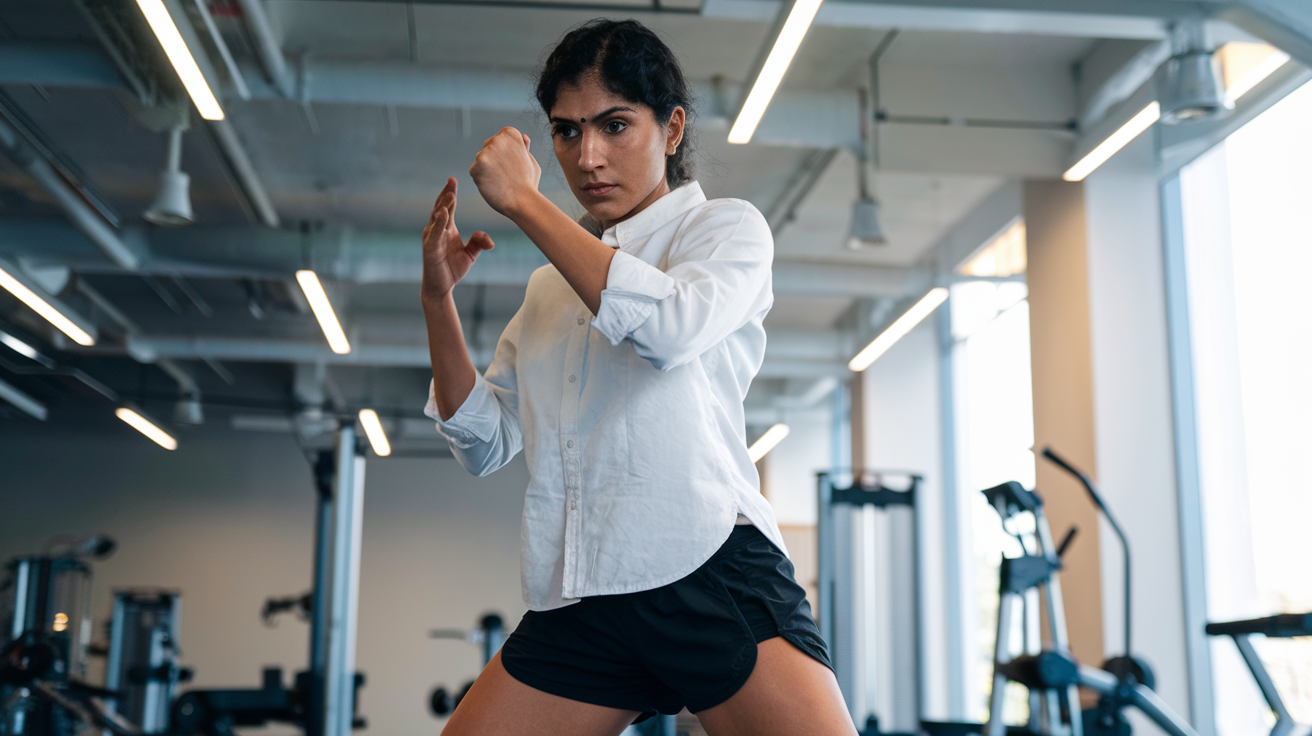
Practical self-defense techniques
Kalari’s self-defense techniques are both effective and adaptable to modern scenarios. Here are some key techniques:
-
- Meippayattu (body control exercises)
-
- Ottakam (stepping techniques)
-
- Vadivu (postures)
-
- Adavu (striking methods)
These techniques form the foundation of Kalari’s self-defense system, emphasizing quick reflexes and efficient movement.
| Technique | Purpose | Application |
|---|---|---|
| Meippayattu | Improve body awareness | Enhance agility in tight spaces |
| Ottakam | Master footwork | Evade attacks and maintain balance |
| Vadivu | Strengthen core and limbs | Improve overall defensive stance |
| Adavu | Develop striking power | Execute precise counterattacks |
Situational awareness training
Kalari’s approach to situational awareness involves:
-
- Environmental scanning: Constantly assessing surroundings
-
- Body language reading: Identifying potential threats
-
- De-escalation techniques: Avoiding conflicts when possible
These skills are honed through specific drills and scenarios, preparing practitioners for real-world situations.
Building confidence and mental resilience
Kalari’s holistic approach extends beyond physical techniques, focusing on:
-
- Meditation practices for mental clarity
-
- Breathing exercises to manage stress
-
- Visualization techniques for performance enhancement
-
- Progressive challenge system to build self-confidence
Regular practice of these elements cultivates a strong mind-body connection, empowering individuals to face challenging situations with composure and confidence.
Now that we’ve explored Kalari’s role in self-defense and personal safety, let’s examine how this ancient art can be integrated into modern lifestyles for overall well-being.
Integrating Kalari into Modern Lifestyle
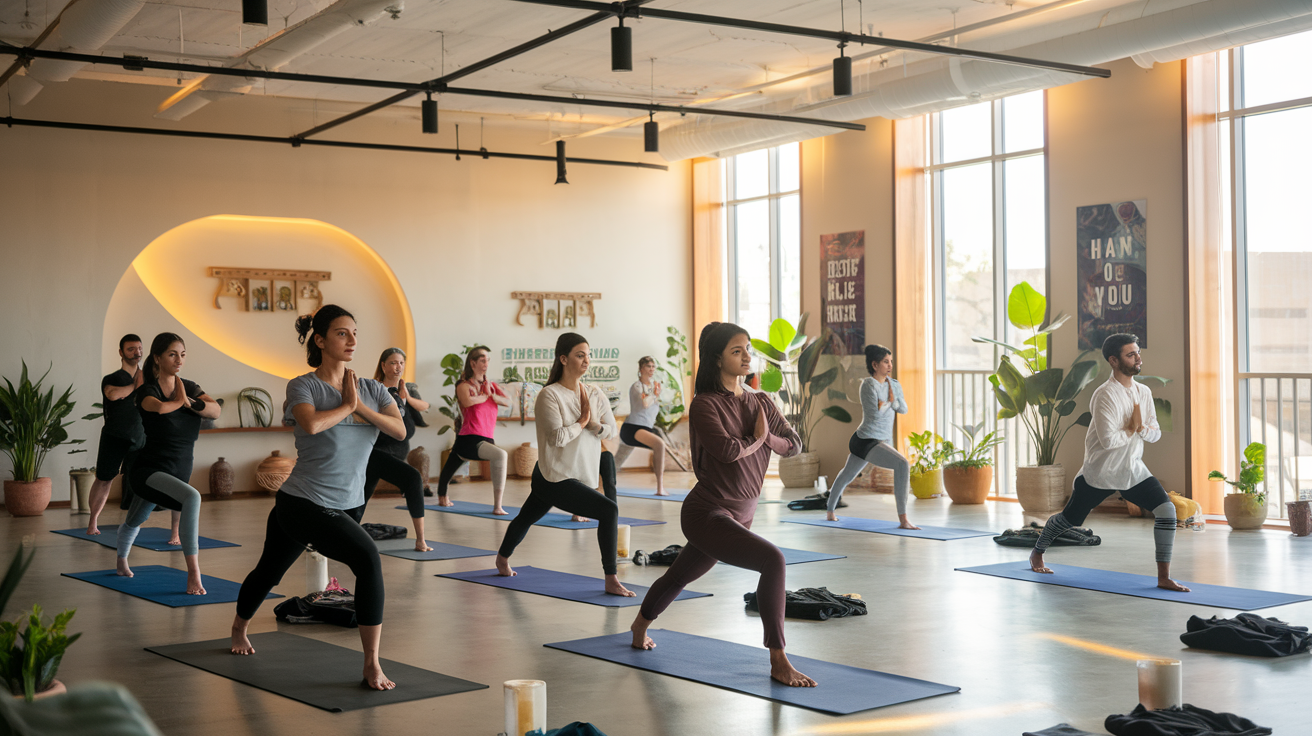
Adapting traditional practices for urban settings
In today’s fast-paced urban environments, traditional Kalari practices can be modified to fit modern lifestyles. Many practitioners are finding innovative ways to incorporate Kalari techniques into compact spaces, such as:
-
- Using yoga mats for floor exercises
-
- Practicing weapon forms with scaled-down equipment
-
- Utilizing bodyweight exercises for strength training
Kalari-inspired fitness classes and programs
Kalari-inspired fitness classes are gaining popularity in gyms and studios worldwide. These programs blend traditional Kalari movements with contemporary fitness techniques, offering a unique workout experience. Here’s a comparison of Kalari-inspired classes with conventional fitness programs:
| Aspect | Kalari-inspired Classes | Conventional Fitness Programs |
|---|---|---|
| Focus | Mind-body connection | Physical fitness |
| Movements | Fluid, animal-like | Repetitive, isolated |
| Equipment | Minimal, often bodyweight | Various machines and weights |
| Benefits | Flexibility, balance, strength | Muscle building, cardio |
Incorporating Kalari principles into daily routines
Integrating Kalari principles into everyday life can enhance overall well-being. Some practical ways to do this include:
-
- Starting the day with Kalari-inspired stretches
-
- Practicing mindful breathing during work breaks
-
- Incorporating balance exercises while waiting in line
-
- Using Kalari stances to improve posture during desk work
Blending Kalari with other exercise modalities
Kalari’s versatility allows for seamless integration with other exercise forms. This fusion approach can create a well-rounded fitness routine that addresses various aspects of physical and mental health. Popular combinations include:
-
- Kalari and yoga for improved flexibility and mindfulness
-
- Kalari and functional fitness for practical strength
-
- Kalari and dance for enhanced rhythm and coordination
By adapting Kalari to modern contexts, practitioners can enjoy the benefits of this ancient art while meeting the demands of contemporary life. Next, we’ll explore the future prospects of Kalari in the health and wellness industry.
The Future of Kalari in Health and Wellness
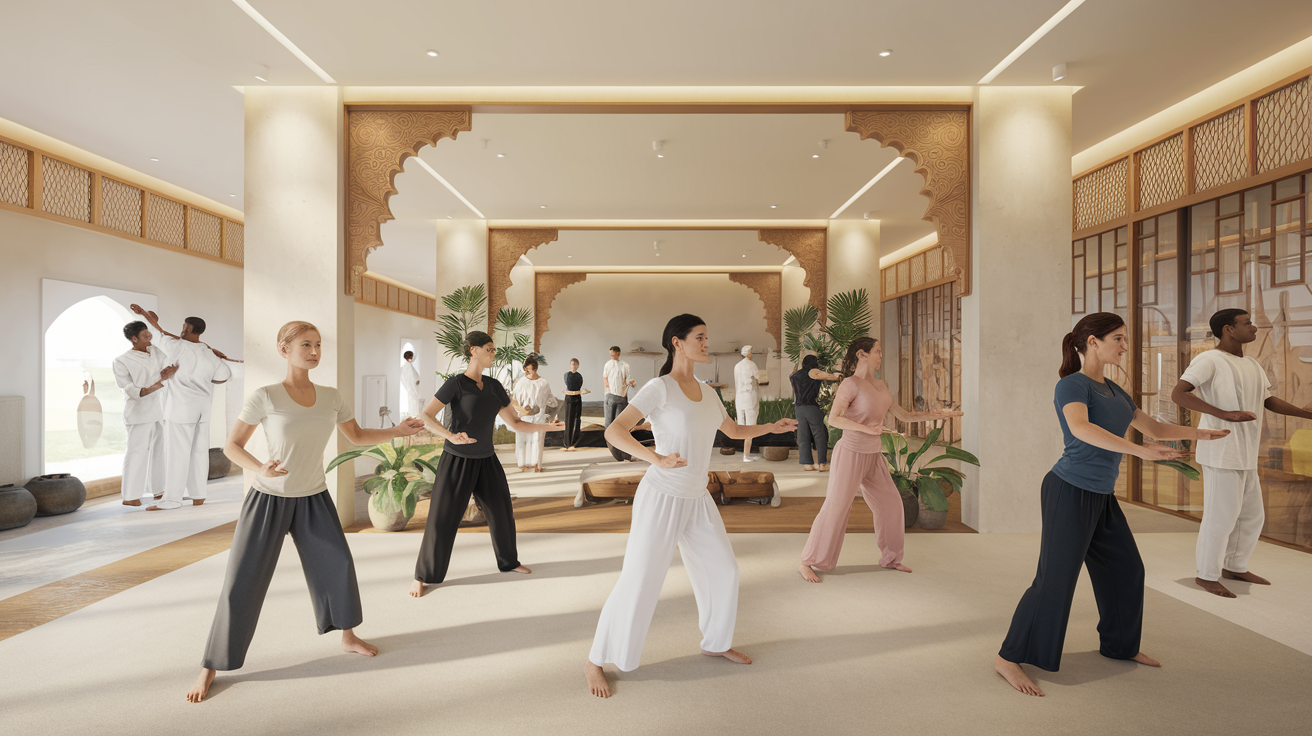
Ongoing research and scientific studies
Recent years have seen a surge in scientific interest surrounding Kalari’s potential health benefits. Researchers are conducting studies to quantify the physical and mental impacts of this ancient martial art. Preliminary findings suggest improvements in flexibility, balance, and cardiovascular health among practitioners.
| Research Focus | Preliminary Findings |
|---|---|
| Physical Health | Improved flexibility, balance, and cardiovascular function |
| Mental Health | Reduced stress, increased focus, and better emotional regulation |
| Pain Management | Potential for alleviating chronic pain conditions |
Potential applications in sports medicine
Sports medicine professionals are exploring Kalari’s unique movements and techniques for injury prevention and rehabilitation. The controlled, fluid motions of Kalari may offer new approaches to:
-
- Improving joint stability
-
- Enhancing proprioception
-
- Accelerating recovery from sports-related injuries
Integration into holistic health practices
Holistic health practitioners are increasingly incorporating Kalari principles into their treatment plans. This integration aims to address the mind-body connection, offering patients a comprehensive approach to wellness. Kalari’s emphasis on breath work and mindfulness complements existing holistic practices such as yoga and meditation.
Preserving tradition while embracing innovation
As Kalari gains recognition in modern health and wellness circles, practitioners face the challenge of maintaining its cultural integrity while adapting to contemporary needs. Innovations in technology, such as motion capture and virtual reality, are being explored to enhance training methods and reach a wider audience. This blend of tradition and innovation positions Kalari as a promising contributor to the future of holistic health and fitness.

Kalari’s journey from an ancient martial art to a modern wellness practice showcases its versatility and enduring relevance. As a comprehensive fitness regimen, it offers physical, mental, and spiritual benefits, while its therapeutic applications address various health concerns. The self-defense techniques and personal safety aspects of Kalari empower individuals in their daily lives.
Integrating Kalari into modern lifestyles has opened up new possibilities for health and wellness. As we look to the future, Kalari’s holistic approach to well-being positions it as a valuable tool in our quest for balanced, healthy living. Whether you’re seeking fitness, therapy, or personal growth, exploring Kalari could be the key to unlocking your full potential